Skip to content
Travel Content Strategy

Featured case study

Self-initiated project

Travel Content Strategy

How I planned two weeks of travel content, from research to finished posts, to grow a community that saves and shares.

This was a project I created myself to practice building a full strategy, from the first idea to the last post.

  • research
  • content strategy
  • planning & scheduling
  • graphic design
  • analytics
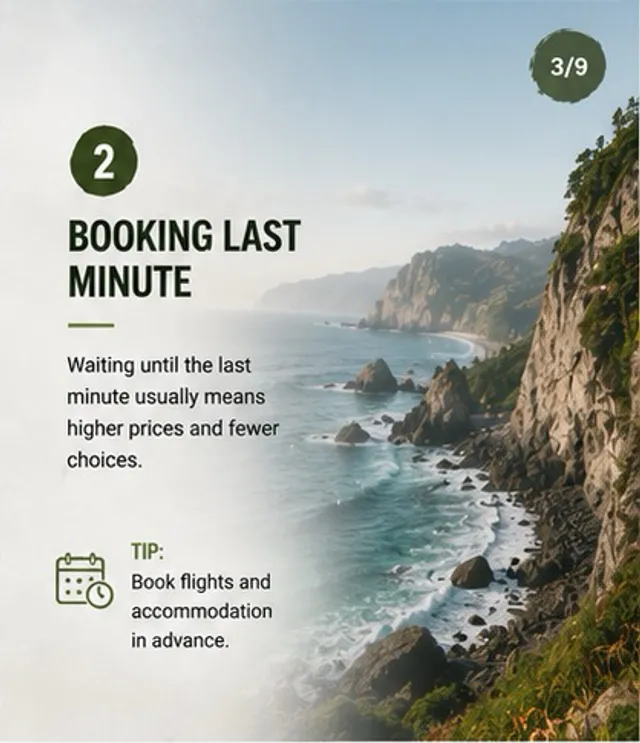
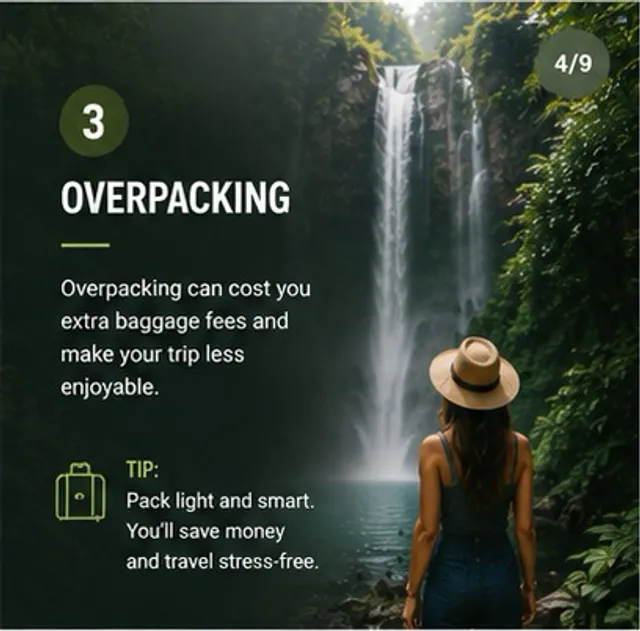
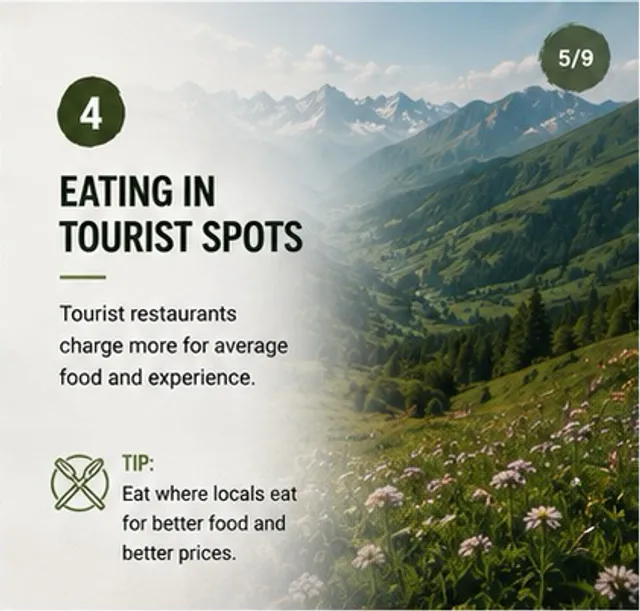
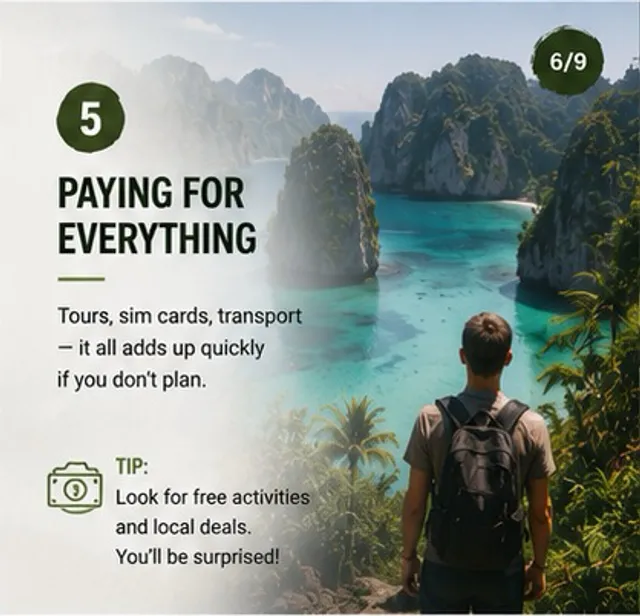
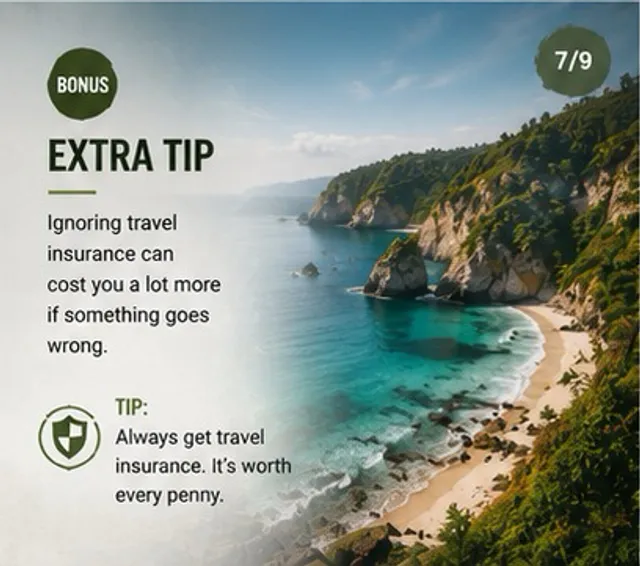
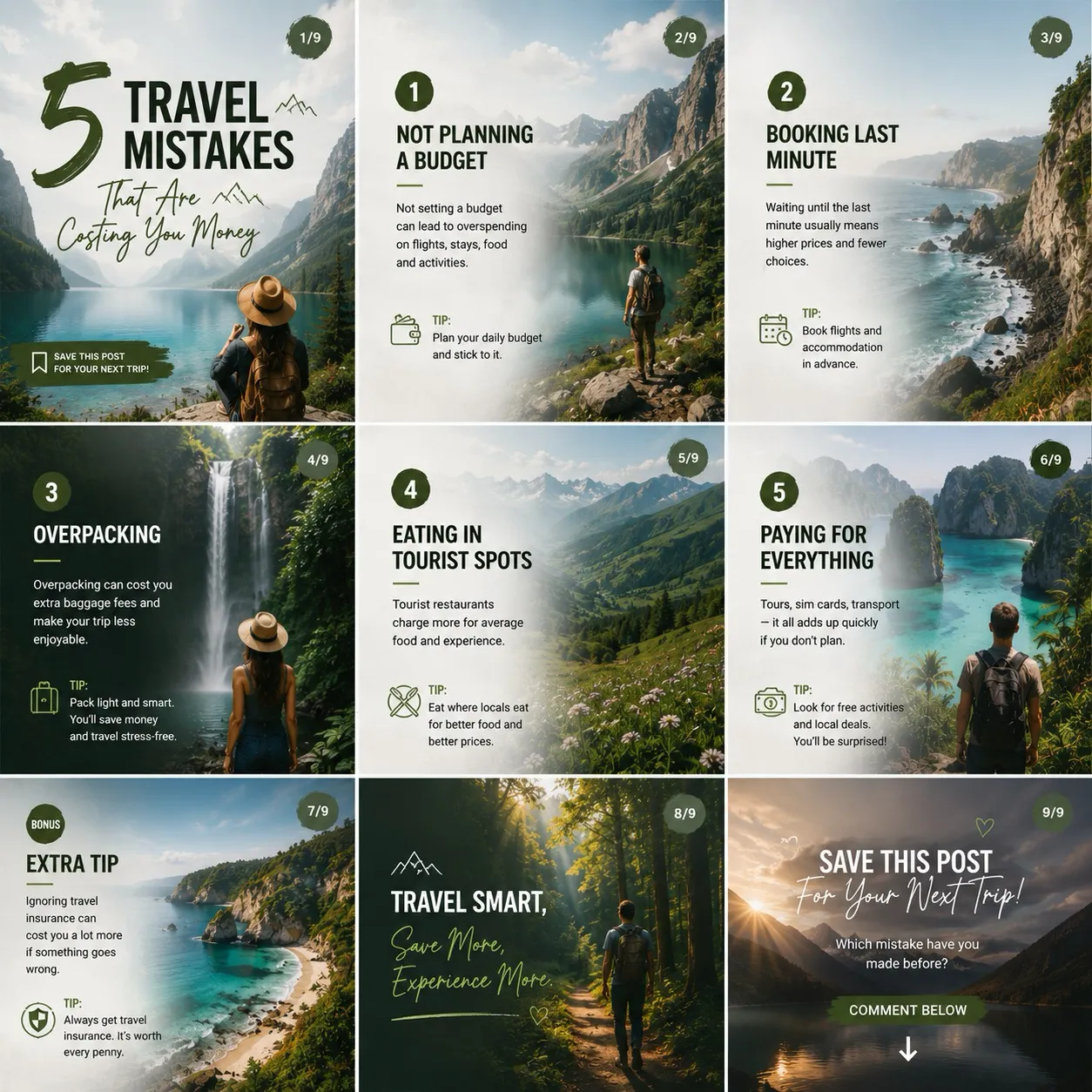
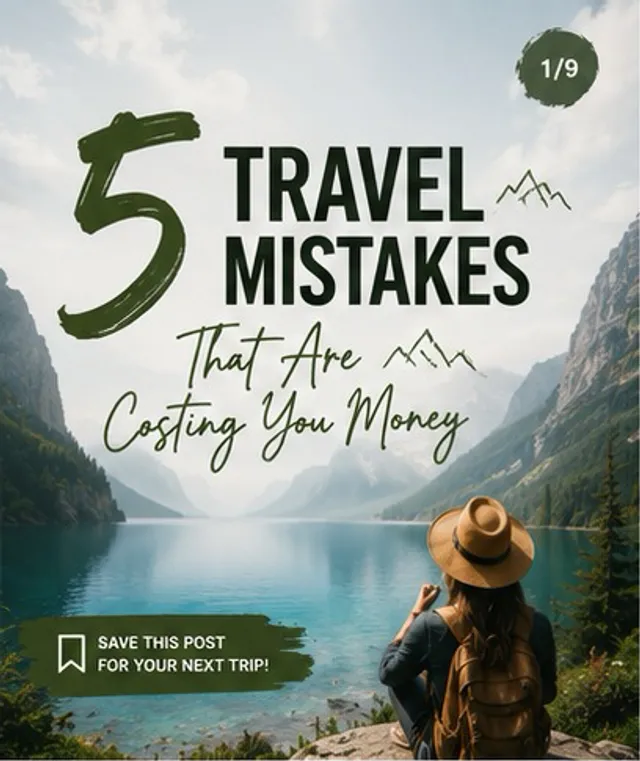
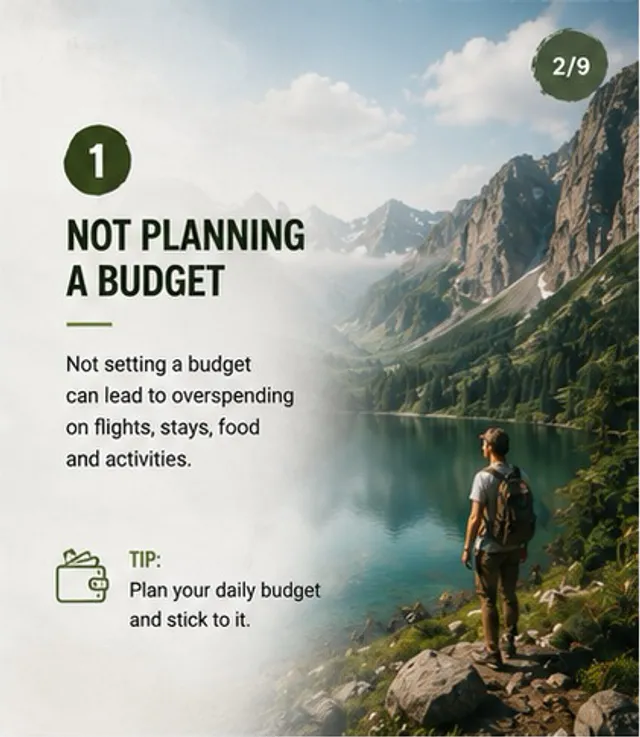
All nine slides of the "5 Travel Mistakes" carousel in a grid, from the cover to "Save this post for your next trip!"

The workflow

  1. Step 01

    Discovery

    I started by getting to know a travel account: the content it shares, who follows it, and how its posts perform. I recorded the starting numbers (average reach, views, and engagement per format) and looked at what the business actually needed from Instagram.

    What came out of it:

    A measurable goal: grow average reel reach over two weeks, so the account attracts new followers who save, share and come back.
  2. Step 02

    Research

    I researched in two directions. First, competitors: what they publish, which reels perform best, and which trends they use. Second, the audience itself: the questions in comments, the posts people save, and what they search for. The best ideas often come from what followers are already asking.

    What came out of it:

    A clear picture of what works in this niche, what the audience wants, and where the gaps are.

  3. Step 03

    Strategy

    The strategy started with the audience: young travellers (roughly 18 to 34) who plan their trips on Instagram and want to see more for less. Content was built on three pillars (educational, entertaining, and inspirational), so the account gives people a reason to learn, smile, and dream. Reels were the main format for reach, using trending audio and POV formats. Carousels were designed to be saved, and stories shared the journey in real time to build connection.

    What came out of it:

    A clear direction for what the account says, who it's for, and how each format supports the goal.

  4. Step 04

    Planning

    I turned the strategy into a two-week content calendar: 7 reels, 3 carousels, and 4 story days, balanced across the three pillars. Because trends move fast, I left a few open slots for reactive content, so the plan could follow new trends instead of falling behind them.

    What came out of it:

    A flexible calendar with every post planned and room to react.

  5. 14-day content calendar

    • 7 Reel s
    • 4 Story s
    • Click a day to open the post idea

  6. Step 05

    Content Creation

    I created each piece to stop the scroll and deliver value: a strong hook in the first seconds of every reel, clear and useful carousels, and captions with keywords and a simple call to action (save, share, or comment).

    What came out of it:

    Finished reels, carousels, and stories, each designed with its specific job in mind.

  7. The carousel

  8. Step 06

    Scheduling & Community

    I used Instagram Insights to find when the audience is most active and planned posts for those times. I also planned to stay active in comments and DMs, especially in the first hour after posting, since early engagement helps a post reach more people.

    What came out of it:

    A publishing rhythm based on real audience behavior, with community engagement built in.

  9. Step 07

    Analytics

    I defined how each format would be measured against the goal it serves. If something underperformed, I'd test one change at a time (the hook, the cover, or the length) to learn what makes the difference.

    • Reels reach, plays, watch time, and shares
    • Carousels saves and shares
    • Stories replies, poll votes, and profile visits

    What came out of it:

    A clear way to judge what works, what doesn't, and why.

  10. Step 08

    Optimization

    Results would feed the next plan: refining formats, timing, and messaging based on real performance, doubling down on what works and letting go of what doesn't.

    What came out of it:

    A strategy designed to grow with the account, not one that stays fixed.

Tools I used

  • Socialinsider

    Benchmarking competitors and recording the account's starting numbers: reach, views and engagement per format.

  • Notion

    Planning the 14-day content calendar: every post with its date, format and content pillar in one board.

  • Canva

    Designing the carousel slides, story frames and reel covers in one consistent visual style.

  • Adobe Photoshop

    Retouching and colour-matching the travel photos before they went into the designs.

  • Buffer

    Scheduling posts for the times the audience is most active, and keeping the publishing rhythm steady.

Things I considered

  • Music licensing

    Business accounts can't always use popular commercial songs, so I planned alternatives: original audio, voiceovers, and royalty-free trending sounds.

  • Trends vs. consistency

    Following trends grows reach, but too many can make the account feel random. The three pillars kept everything connected to the brand.

  • Two weeks is short

    It's enough to see early signals, not final conclusions. I'd treat the results as direction for the next plan, not a final verdict.

  • Reach isn't the finish line

    Reach only matters if it leads somewhere, so I'd also watch follows and profile visits as signs that new people want more.

How I'd measure success

If it went live, I'd judge it by reel reach, plays, and shares, carousel saves, and new follows. My bet would be on reels: in my research, trending audio and POV reels were the content reaching the most people in this niche.